
Know before you build.
A sprint settles the expensive assumptions while they are still cheap. Two to four weeks, a fixed fee, a decision at the end.
For founders and product teams at the start of something: a new product, a new category, or a line that stopped working.
The hardest questions tend to arrive at tooling.
Teams pour six figures into tooling before answering whether the material holds up, whether the scenario they are designing for drives purchases, and whether the manufacturing path can deliver at volume.
The sprint exists to make those decisions while they are still decisions.
Two to four weeks, one validated direction.
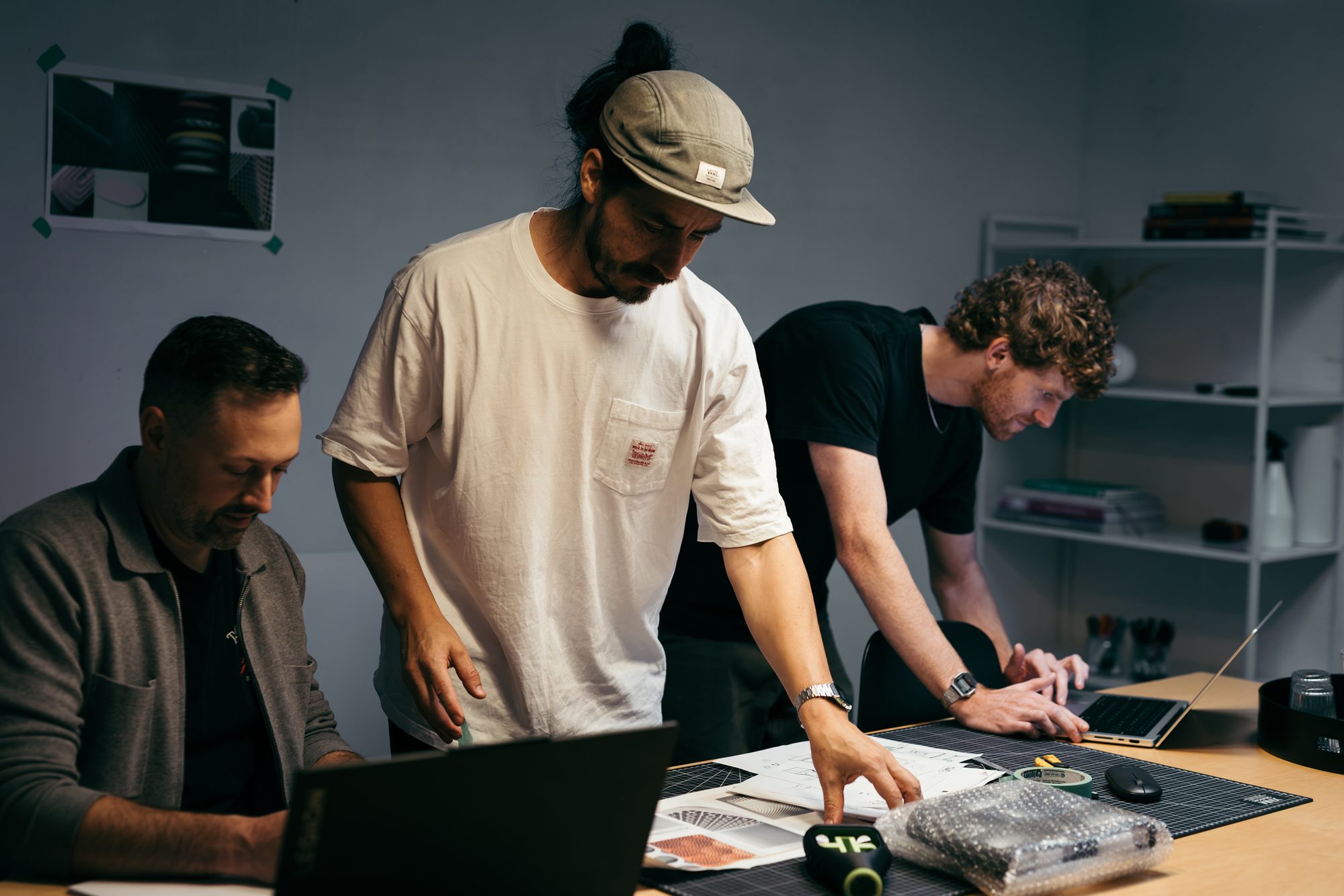
Kickoff
We arrive with the audit started: who uses it, under what forces, what exists already, what adjacent industries have solved. The first meeting is your first chance to steer, and where the questions the sprint has to answer get written down.

Review
At least one, in the middle, on a call rather than sent over. What sits between the kickoff and the decision is scoped to the question: a short sprint can stop at mood boards and a make-or-don't answer; a longer one goes on to concept directions with the trade-offs named.
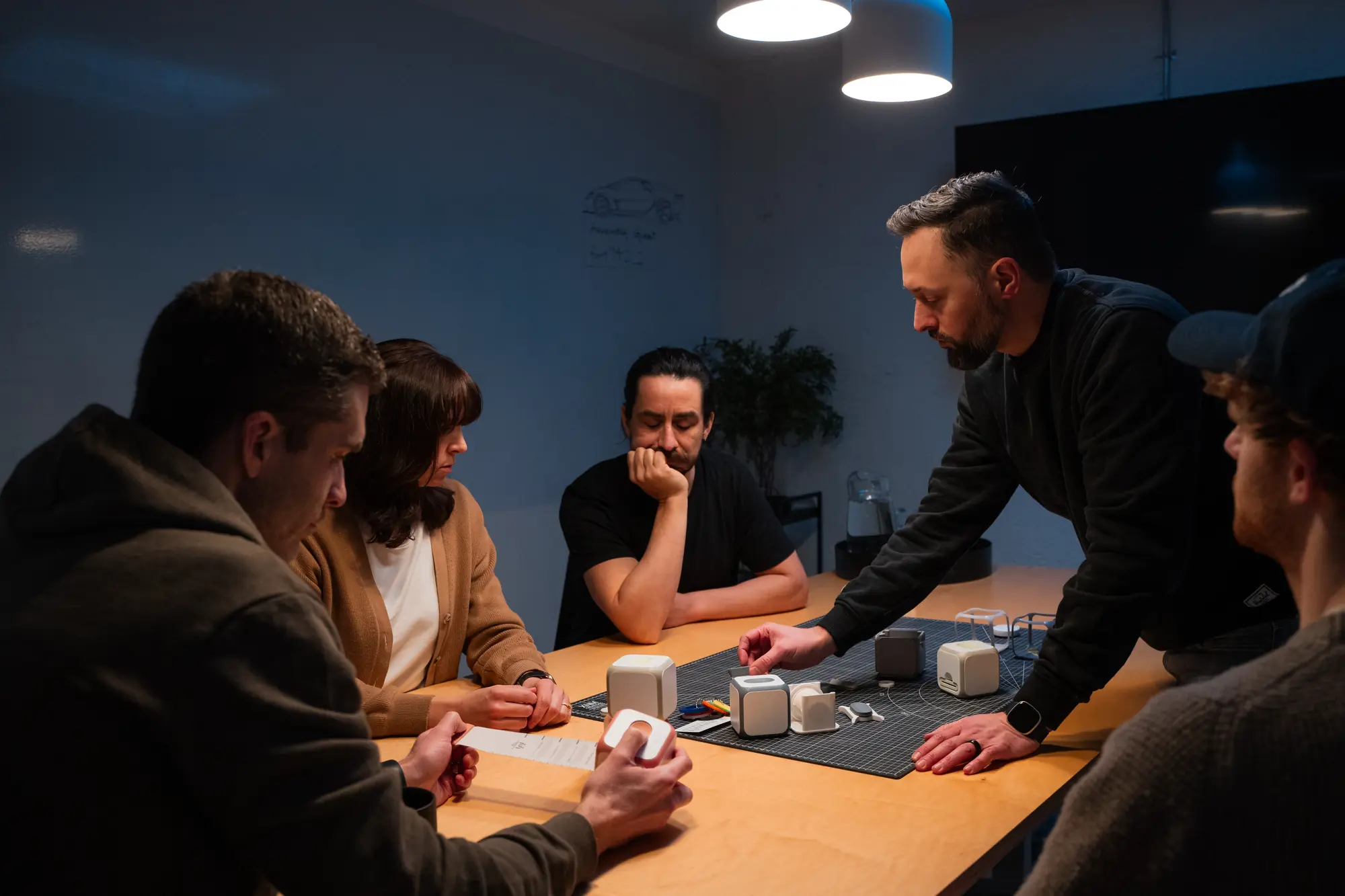
Decision
The final delivery. One recommendation with the reasoning visible, and a go/no-go point before tooling, materials or a manufacturing path get expensive to reverse. Walking away counts as a result.
Many sprints carry on as a development project. Three that did, below
Three that kept going.

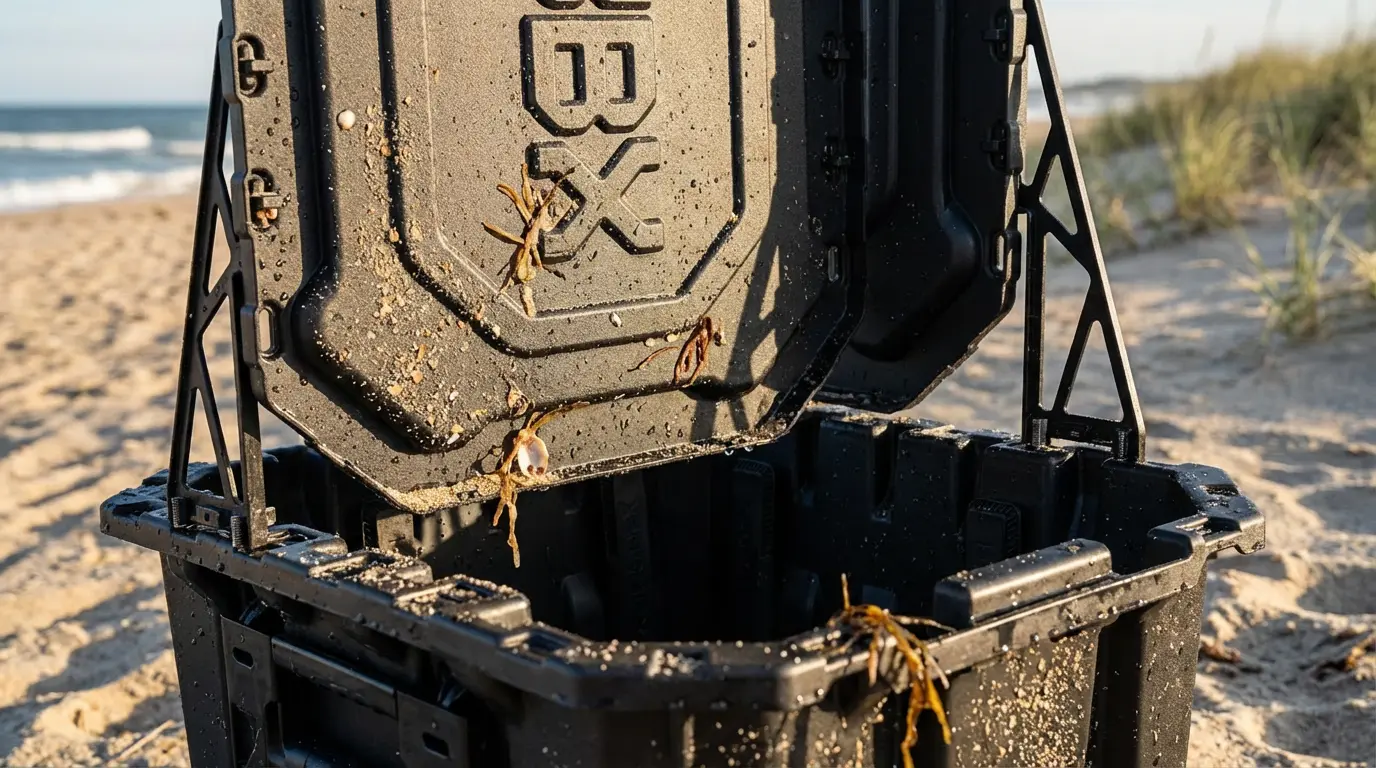
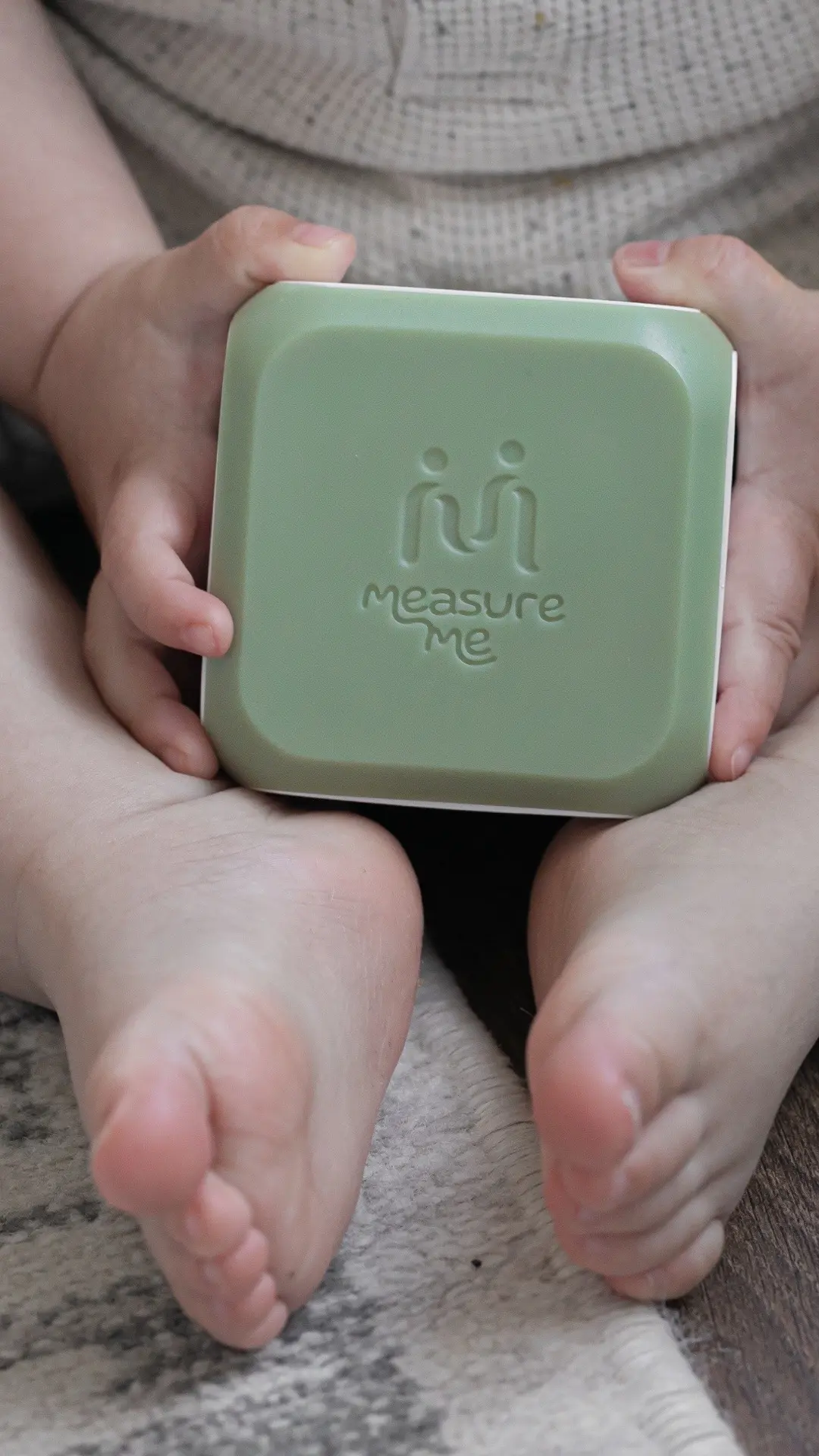

Bryce Flug
Islander Reels

Dayn Wilberding
Sr. Director Design Exploration, Sonos

Kevin Sansalone
Founder, Sandbox
Where it leads
Three ways in.
Each one for a different stage. Most partnerships start with a sprint on one product.
01
Weeks
R&D Sprint
Fixed fee from $12K
Know before you build.
Structured research and concept development that gives you a validated direction before you commit to tooling, materials or a manufacturing path.
You are here—let's chat about a sprint02
Months
Development Project
Projects from $15K
Designed to be manufactured.
Design, engineering and manufacturing aligned from the start. The product that ships is the product you intended.
See the development project03
Ongoing
Embedded Partner
From $15K a month
Gets sharper over time.
A design and engineering team embedded in yours. We carry context across your product line so every project starts further ahead.
See the embedded seatQuestions we get.
Short answers about the sprint. Anything else, ask on the call.
Two to four weeks, depending on the question. We set the length on the first call, and the review dates go in the calendar before we start.
A problem you can describe and a sense of who has it. Sketches, prototypes and a business plan are welcome and none of them is required. We build the rest together.
Sprints start at $12K, a fixed fee scoped to the question. We give you a realistic number on the first call. Not ready for a sprint? We also run paid working sessions, priced on the call.
You decide. The direction, the requirements and the concept options are yours to take forward, with us or without us. Many sprints become a development project, and some become a partnership.
Yes, before anything confidential changes hands. If nothing is filed on IP yet, that's fine; it's worth thinking through before you sign anything, and we're happy to share where it comes up.
A sprint is for the start of something. With a defined concept and a ship date, a Development Project starts further along. With several products a year and every brief starting from zero, the Embedded Partner seat is built for a whole product line. Not sure which fits? Let's talk it through on a call. Development ProjectEmbedded Partner
Thirty minutes. You bring the idea and who decides; we'll share which door fits and what it would take.