
Is Your Idea Ready for a Product Design Studio?

In short
To start with a studio, you need three things: a problem you can describe clearly, a rough sense of who it's for, and a frank conversation about budget and time. If one of those is missing, there's a smaller first step, and we'll point you to it.
Hiring a product design studio is a big investment, and knowing when your idea is ready can save months of false starts. Most people who reach out to us apologize for being too early. Most of them are fine. From our side of the table, ready looks like this.
What we need to start
When a project lands well, it's because you can describe the problem you're solving and who is living with it. That's the whole requirement. Sketches, CAD and a manufacturer come later.
- A clear problem statement. "Backcountry skiers spend twenty minutes repacking at the trailhead because nothing has a designated spot" is enough to start on. It names who has the problem and what it costs them.
- A sense of your market. A direct-to-consumer product, a licensed concept and a product headed to a major brand each change how we approach the work. A business plan can wait.
- A frank budget conversation. We'd rather have it early. On the first call we'll give you a realistic range for a project like yours. If the fit isn't there yet, we'll let you know, and suggest a one-off strategy session to shape your plan before you write any big cheques or take it to an investor.
What you don't need
A complete design, a working prototype, a technical background, or IP already filed. If nothing is filed on IP yet, that's fine; it's worth thinking through before you sign anything.
Early prototypes are useful, and they can also anchor a project to the first idea that worked. Our longest-running client partnership started with a prototype that functioned and a founder willing to question it: the Wetsuit Wrench. We'll sort out together what's worth keeping.
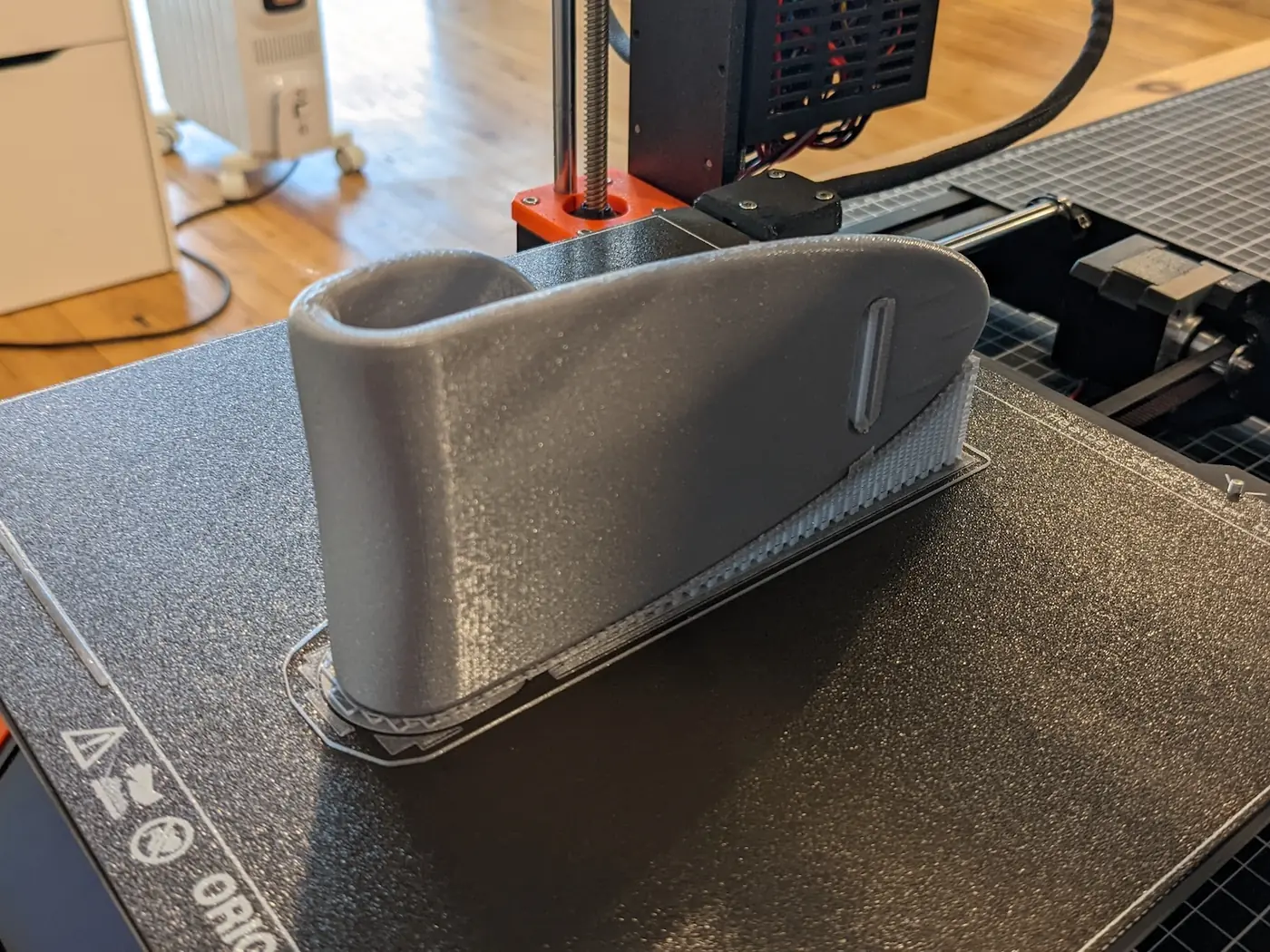
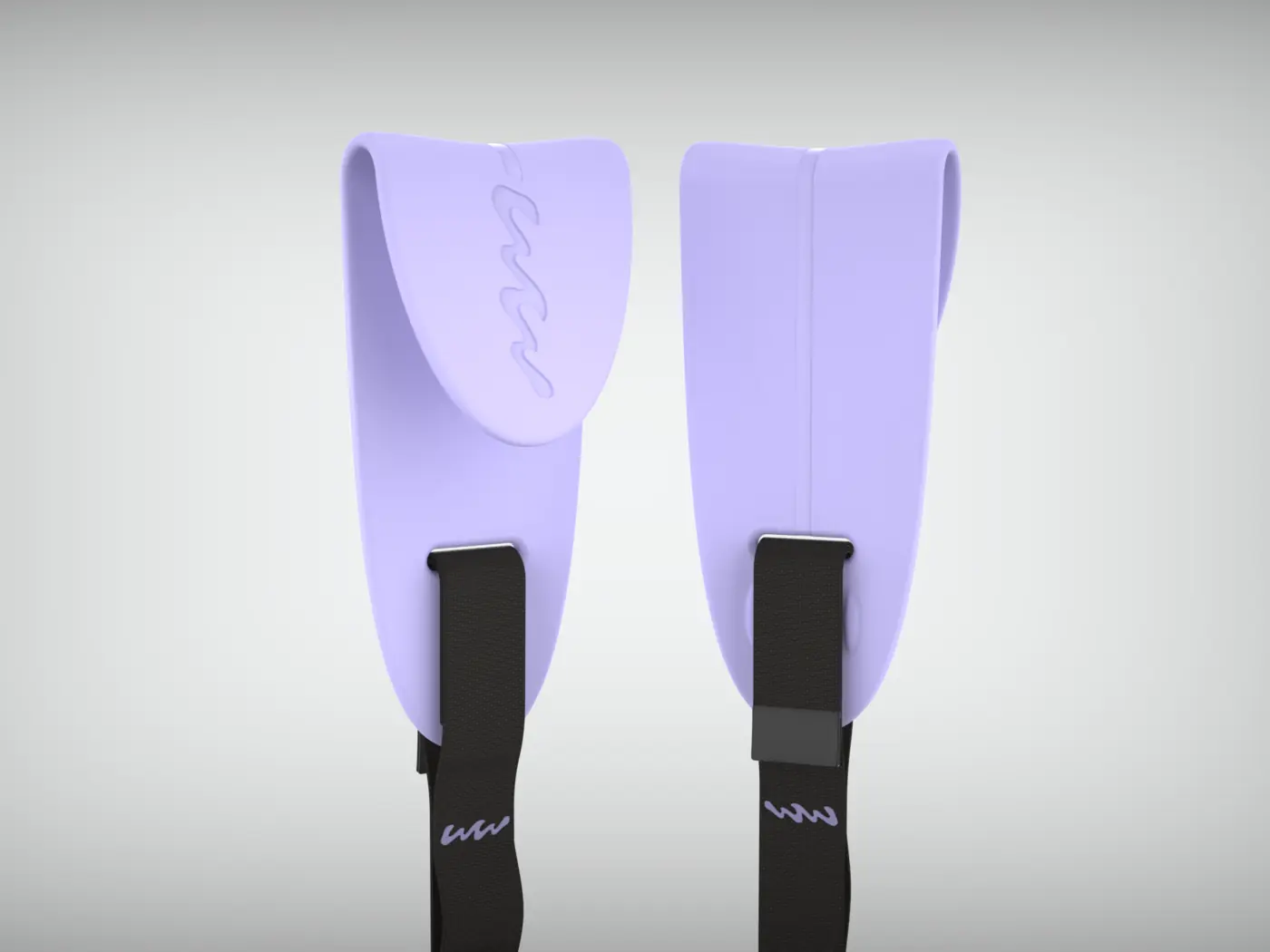
You bring the idea and the people it's for. We bring the design process, the manufacturing knowledge and a lot of questions. The problems we take on tend to be a sustainability problem, a user-experience problem, or a need nobody has defined well yet.
When a project hits friction, it's almost always because scope wasn't defined clearly at the start.
When to wait, and what to do instead
If budget is the open question, we'd start there. Scope and investment are linked, and mismatched expectations slow everything down.
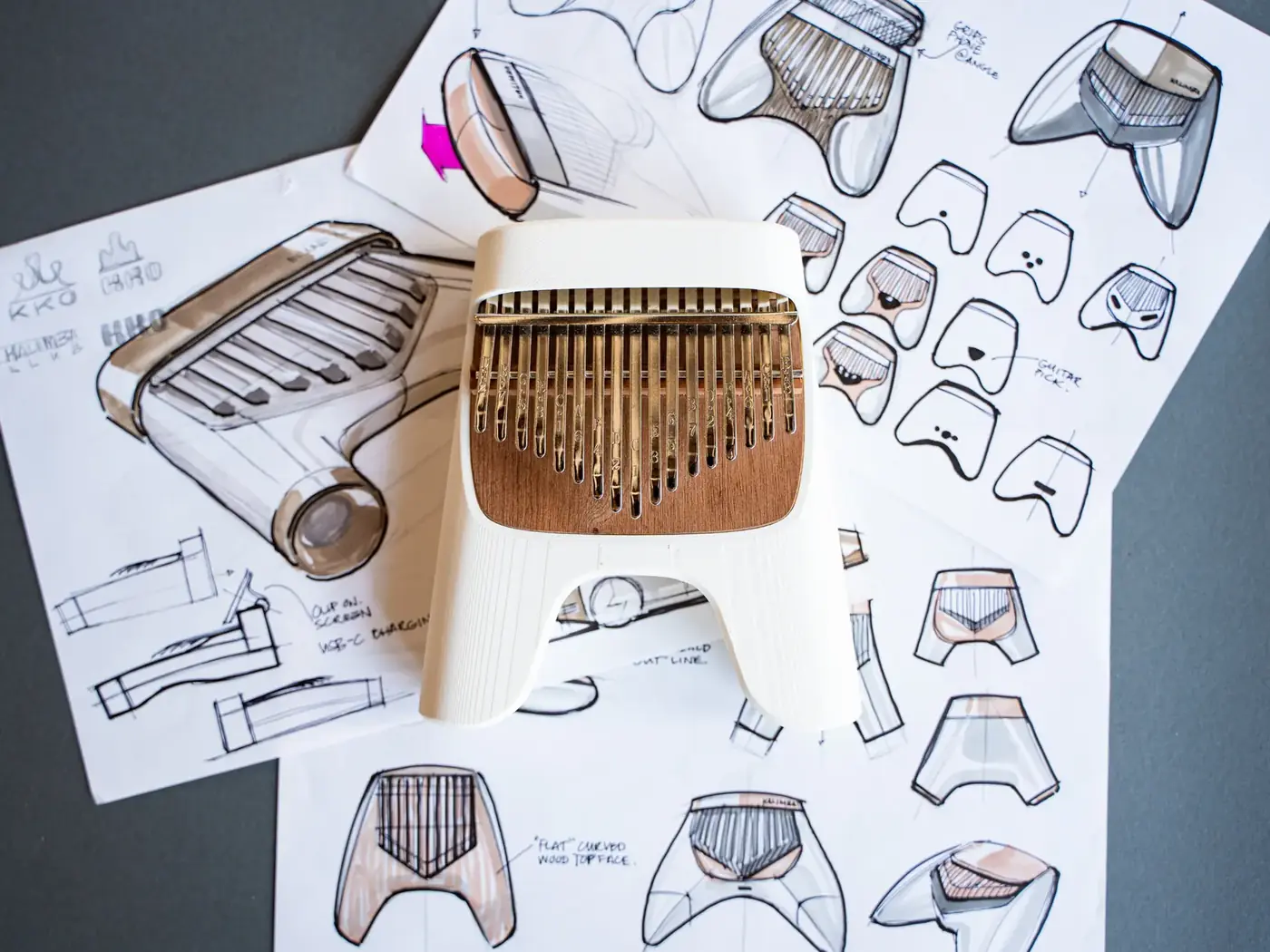
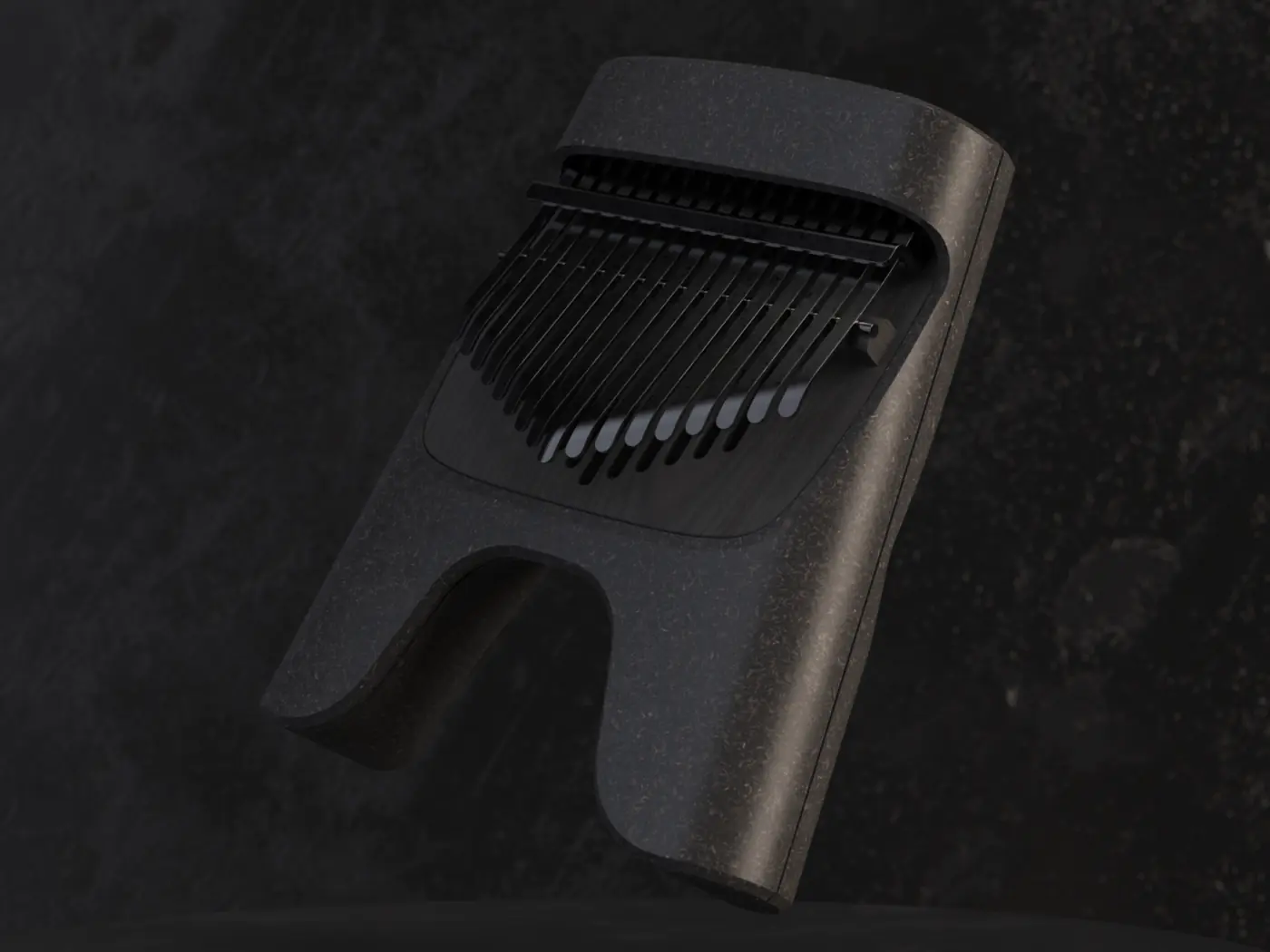
If the problem statement is still fuzzy, a Design Sprint is the better entry point: two to four weeks of research, sketches and looks-like models that take you from "interesting idea" to "this is the problem we're solving". Kalimba Klub began as a sprint and became a partnership that ran to production-ready tooling. Several of our best client relationships started the same way.
Your time
From kickoff to prototype, your fingerprints will be on the decisions we make together. Plan for a few hours a week. Most weeks that's a thirty-minute review, plus the time around it: getting ready, sending assets, and pulling your feedback together. At concept selection it's a one-hour presentation where we gather your feedback, then a couple of days, or a weekend, for you to put your thoughts together and shape the direction.
A slow feedback loop stretches the timeline and weakens the decisions we make together. We'll let you know what input we need and when.
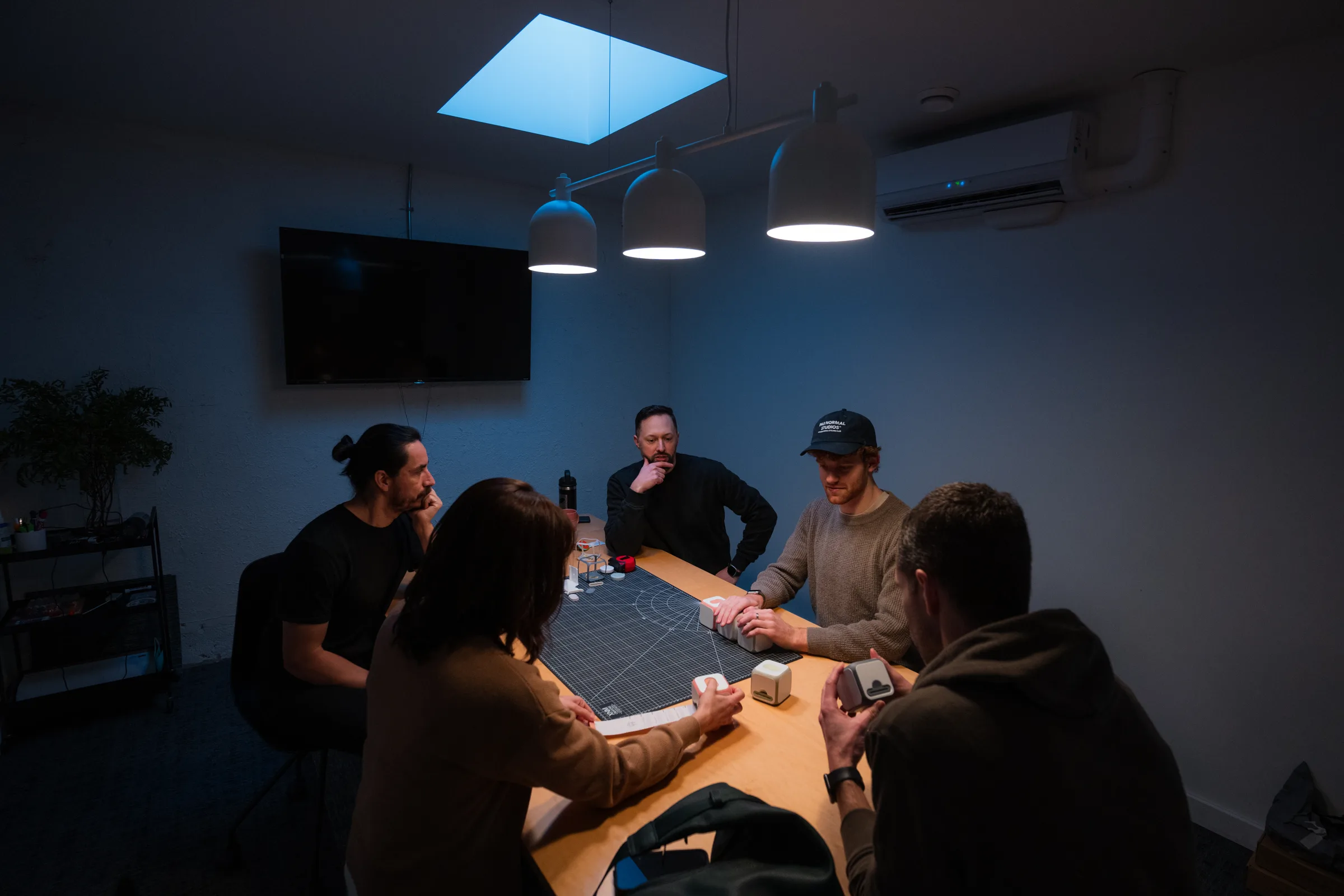
So, are you ready?
If you can describe your problem clearly, have a rough sense of your market, and are open to a frank conversation about budget and scope, you're ready to talk.
If you're not sure yet, drop us a note. We'll share where we think you are and what makes sense as a next step. We take on projects that are set up to succeed, and we're glad to help you figure out how to get there.
Before you call: the five-minute check
- The problem, in one sentence, with who has it.
- Who you'd sell it to, in one line: direct, licensed, or through a brand.
- What you've tried, including the prototype that half-worked.
- A number you'd be comfortable investing in the first step.
- The few hours a week you can give it.
If you can fill in four of the five, book the call. If it's two or three, a strategy session is the right first step. Either way, bring the list.
→ See our work — projects from concept to production.
→ Explore our services — from research sprints to full product development.
→ Book a free consultation — got a product idea? We'd love to hear about it.
More posts
Have a product in mind? We'd like to hear about it. A short note is plenty, and we'll suggest a time to talk.